Gingerbread Christmas Bow
First Impressions: Sweet, Elegant, and Unmistakably Handmade
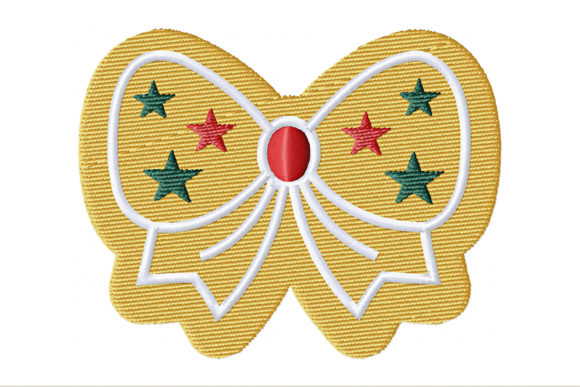
As an embroidery designer who’s tested hundreds of holiday motifs for gift shops and Etsy sellers, the Gingerbread Christmas Bow landed with quiet confidence—not loud cheer, but warm invitation. It reads as both nostalgic and refined: a gingerbread figure with a softly gathered satin bow, delicate icing lines, and gentle curvature that suggests hand-piped charm—not cartoonish, not stiff. There’s no excessive fill stitching or jagged edges; instead, it balances open space with intentional detail, making it feel artisanal rather than mass-produced. For customers seeking a personalized gift that whispers “thoughtful” instead of shouting “festive,” this design hits the emotional sweet spot—sweet without saccharine, elegant without cold formality, seasonal without being disposable.
Versatility in Real-World Gift Applications
The Gingerbread Christmas Bow shines where meaning meets material. On a baby blanket? It becomes a tender nod to first Christmases—ideal for baby embroidery when paired with soft pastel thread colors and low-stitch-density settings. Stitched onto a linen pillow cover or embroidered towel? It elevates everyday home decor into heirloom territory—perfect for boutique shelves or a small shop product aiming for warmth over whimsy. As a wedding gift, it works beautifully on monogrammed kitchen linens or keepsake aprons—subtle enough for modern couples who love tradition but reject cliché. And for Etsy sellers listing nursery decor or custom tote bags, its scale and clarity translate well in digital mockups and printed product photography, boosting buyer engagement before a single stitch is made.
Where It Excels—and Where to Pause
- Strong performers: Linen tea towels, cotton pillow covers, medium-weight quilting cotton (for blanket embroidery), canvas totes, and stable knit aprons. The bow’s gentle curves and balanced proportions hold up beautifully on flat, even surfaces.
- Careful use required: Avoid dense terry cloth towels unless you reduce stitch density and add cutaway stabilizer—excessive pile can swallow fine icing details. Steer clear of highly stretchy baby onesies or curved surfaces like mugs or ornaments—the design wasn’t drafted for distortion. Dark fabric demands high-contrast thread colors (ivory or pale gold over navy or charcoal), and light fabrics benefit from subtle metallic or matte cotton blends to enhance dimension.
Why This Design Builds Customer Trust—and Sales
In a crowded handmade marketplace, perceived quality starts long before unboxing. The Gingerbread Christmas Bow signals care: its clean outlines and thoughtful spacing tell customers this isn’t a rushed clipart import—it’s a considered machine embroidery design. That impression directly lifts perceived value. When shoppers see it stitched cleanly on an embroidered towel or pillow cover, they imagine gifting it to someone special—not just buying decor, but sharing intention. For wedding gift designers or baby product creators, that emotional connection translates to repeat orders and word-of-mouth trust. Even in digital listings, a sharp printable mockup using this design outperforms generic snowflakes or bells because it feels personal, curated, and quietly luxurious.
Practical Embroidery Notes Every Maker Should Confirm
Before stitching your first customer order, treat the Gingerbread Christmas Bow like any high-stakes digital embroidery file: test it. Run a sample on scrap fabric matching your intended product—linen for towels, cotton-blend knit for aprons, fleece-backed cotton for blankets. Check how thread colors interact with fabric tone: what reads as “warm cream” on screen may mute on oatmeal linen. Verify hoop size compatibility—does it fit comfortably within your standard 4x4 or 5x7 frame? Review stitch density in the bow’s loops and gingerbread outline; overly dense areas risk puckering on lightweight fabrics. Always pair it with appropriate stabilizer—tear-away for stable wovens, cutaway for knits or textured surfaces. And critically: confirm commercial licensing terms before selling finished products. This isn’t just legal caution—it’s brand protection for your small business and respect for the original designer’s work.
Photography & Presentation Tips
How you show the Gingerbread Christmas Bow matters as much as how you stitch it. Style it on a rustic wooden table with cinnamon sticks and creamy wool throws—lighting should be soft, natural, and shadow-softening. Capture close-ups of the bow’s texture and icing lines to highlight craftsmanship. For Etsy sellers, include a side-by-side mockup: one on ivory linen, one on charcoal cotton—this helps buyers visualize across their own home palette. Remember, your photos aren’t just showing a design—they’re selling a feeling, a memory, a tradition in the making.
A Design That Serves Both Heart and Business
The Gingerbread Christmas Bow doesn’t try to be everything—it knows its lane: meaningful, elegant, seasonally resonant personalization. It supports the craft of small shop owners building loyal followings, empowers Etsy sellers to differentiate in saturated categories, and gives wedding gift designers and baby product creators a motif that feels intimate, not incidental. It’s not flashy—but then, the most cherished gifts rarely are. They’re the ones stitched with attention, chosen with care, and kept long after the season ends. If you’re curating a collection of handmade products built to resonate, this embroidery file earns its place—not as filler, but as foundation.